The Sweet New Style
The Sweet New Style (Dolce Stil Novo) is the literary movement that Dante Alighieri, in Purgatorio, Canto XXIV, explicitly names and defines as his own poetic practice, distinguishing it from the work of earlier vernacular poets. In a crucial exchange with the Lucchese poet Buonagiunta da Lucca, Dante articulates a theory of composition in which love itself dictates the poem, and the poet merely transcribes what love inspires. This moment serves as the poem's most direct statement of its own aesthetic principles, marking a decisive break with the preceding tradition and establishing the Sweet New Style as the foundation of Dante's entire poetic project.
Definition and Poetic Theory
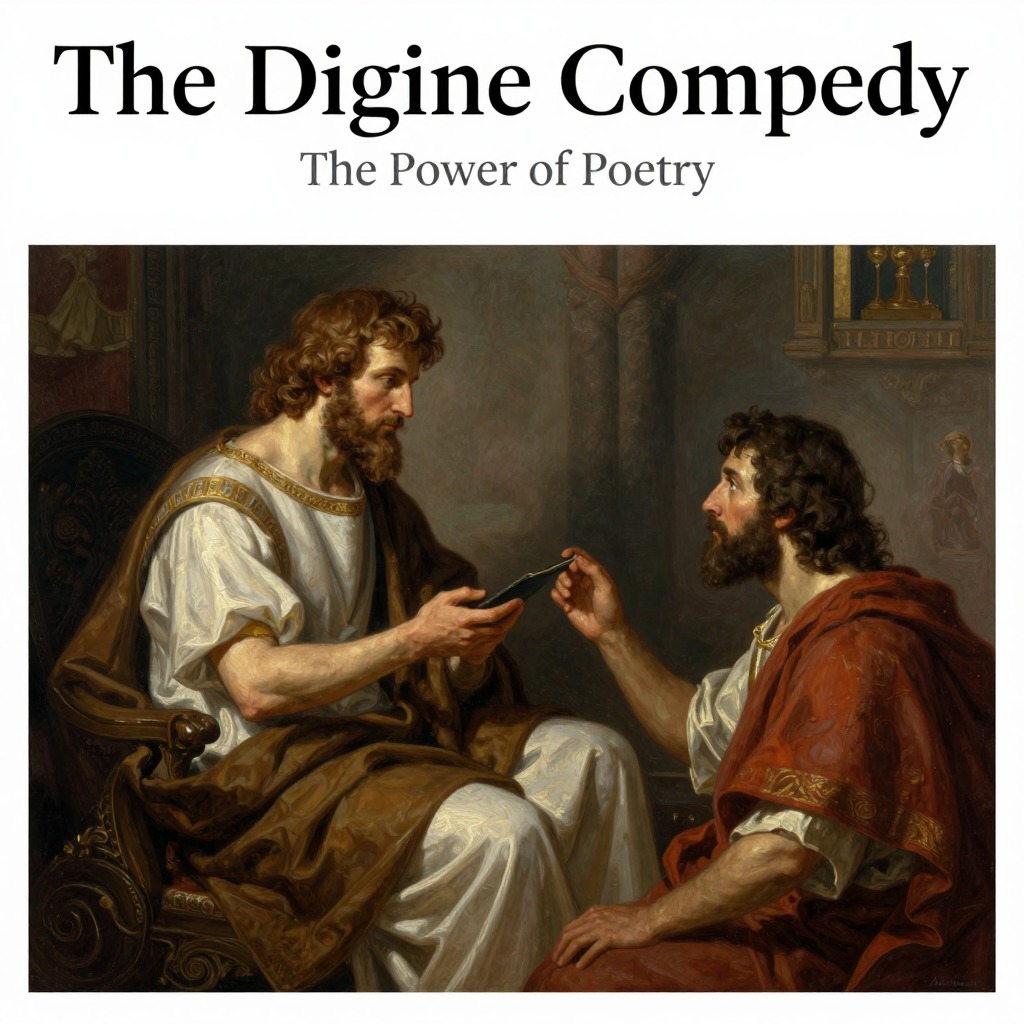
In Purgatorio, Canto XXIV, Buonagiunta da Lucca addresses Dante, asking if he is the one "who forth evoked the new-invented rhymes, beginning, 'Ladies, that have intelligence of love?'" . Dante's response is the manifesto of the Sweet New Style: "One am I, who, whenever Love doth inspire me, note, and in that measure which he within me dictates, singing go" . This formulation presents the poet as a passive instrument of love, whose verses are not the product of learned craft or rhetorical artifice but of direct emotional inspiration. The style is "sweet" not merely in its musicality but in its fidelity to the inner experience of love, which becomes both the source and the subject of the poem.
Contrast with Preceding Poets
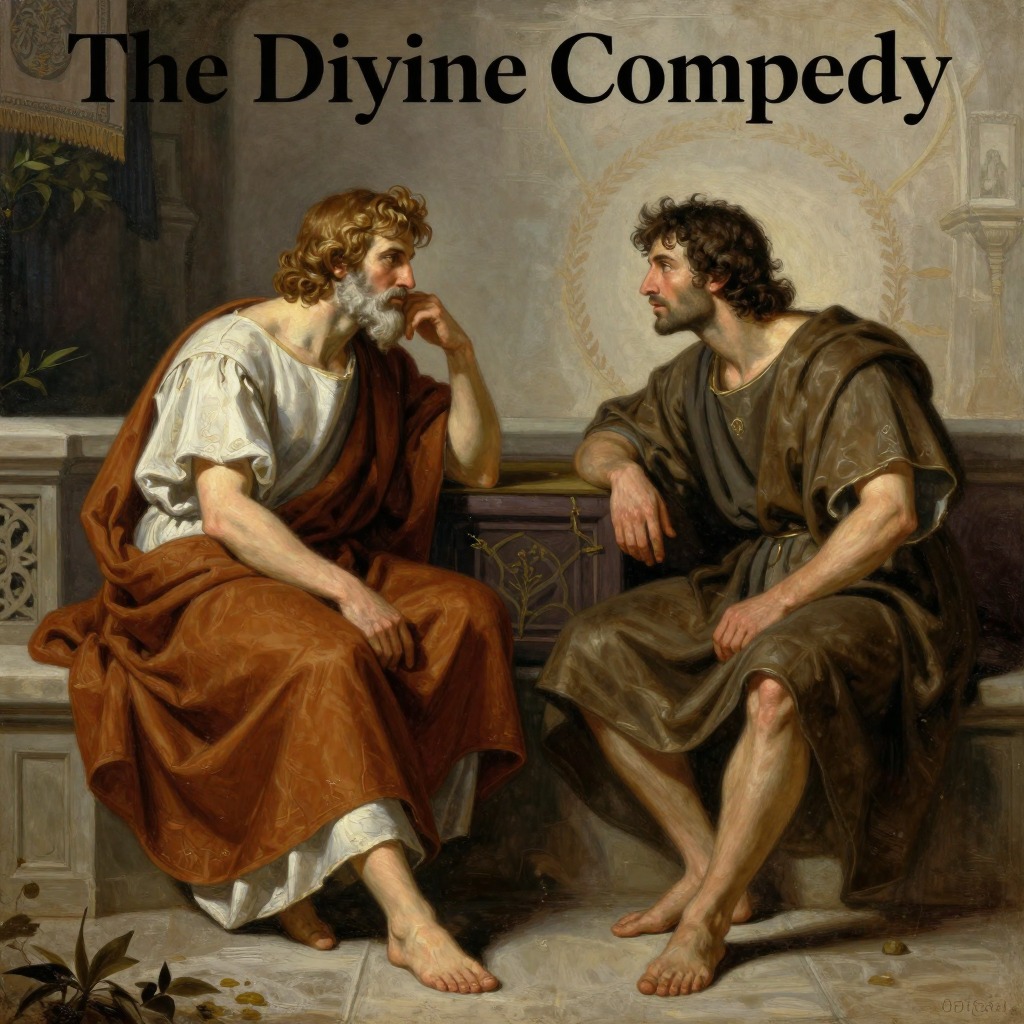
Buonagiunta immediately grasps the revolutionary nature of Dante's method. He responds: "O brother, now I see the knot which me, the Notary, and Guittone held short of the sweet new style that now I hear" . The "Notary" is Giacomo da Lentini, the inventor of the Sicilian sonnet, and Guittone d'Arezzo was the dominant Tuscan poet of the previous generation. Buonagiunta recognizes that these earlier poets, despite their technical skill, were unable to achieve the Sweet New Style because their poetry was not grounded in the same direct, love-inspired spontaneity. He continues: "I do perceive full clearly how your pens go closely following after him who dictates, which with our own forsooth came not to pass" . The contrast is between a poetry of imitation and convention (the old style) and one of authentic, inspired utterance (the new).
Significance in the Divine Comedy
This exchange is not merely a literary-historical aside; it is a moment of self-definition for the entire poem. By having Buonagiunta—a poet of the older generation—recognize the superiority of the Sweet New Style, Dante positions himself as the culmination of Italian vernacular poetry. The theory articulated here also resonates with the poem's larger themes: just as love moves the sun and the other stars in the Paradiso, so love moves the poet's words in the Purgatorio. The Sweet New Style is thus not only an aesthetic choice but a moral and theological one, aligning the poet's craft with the divine love that orders the universe. Dante's claim that he writes only as love dictates also serves to authorize his visionary journey, presenting the Comedy itself as a work inspired by a higher power rather than by mere human ambition.